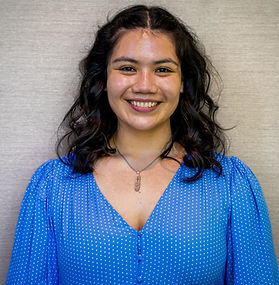
We're hiring new Instructional Coaches for our ASPIRE PreK program. But first, a song!
This Year's ASPIRE Coach Song
(to the tune of “Twinkle, Twinkle, Little Star”)
Do you love the early years,
Tiny triumphs, smiles, and cheers?
Helping teachers learn and grow,
Planting seeds that children show?
If you coach with heart and fire,
Come and join us at ASPIRE!
Side by side, we guide the way,
Helping teachers every day.
Ask and wonder, think and grow,
Celebrate the things we know.
If your passion lifts us higher,
Apply to join us at ASPIRE!
And if you sang this song out loud,
You should join our coaching crowd!
Okay, if you sang that all the way through (or hummed it, no judgment), you’re already our kind of person. That one came from our coach and resident artist, who is also, not coincidentally, we suspect, married to a magician. And she’s just one of the genuinely quirky, wonderful bunch you’d be joining.
One of our coaches ran her first Marine Corps Marathon in her fifties. Another bakes like it’s a competitive sport (the rest of us reap the rewards). Our operations staffer works from California, where wild burros wander through the front yard. Somebody on the team owns an alarming amount of Mandalorian merch. Our executive director is a co-founder of the Alliance, and somewhere along the way he became the resident AI nerd, not bad for someone whose first computer was a Commodore 64 (He also bungee jumped off the equivalent of a 20-story building in Canada, which tells you what you need to know about his judgment). What we all share is a belief that PreK in family child care done well is a little like magic: the kids win, the families win, the educators win, the whole state wins.
And your teammates aren’t only the coaches and the admin team. They’re also the family child care educators we support, over 100 programs by this fall, and counting. People running real PreK out of their homes and who want to get better every single year. You’ll work directly with a cohort of about 12-15 of them, and you’ll get to know your educators well, becoming a trusted partner on their journey, setting goals together, and learning as much from them as they do from you.
Sound like your kind of crowd? Good. Below is the part HR makes us write, the bullets, the qualifications, the legal stuff. Read it through. At the bottom you’ll find a link to send a one-page cover letter and your resume. (You caught the one-page part, right?) We can’t wait to hear from you.
Quick check: Before you read everything below (we're proud of it, but still), let's make sure the basics fit: Master's degree in ECE or a closely related field, at least two years in a formal coaching/mentoring role with educators, Maryland residency (or within 20 minutes of the border), and willingness to travel daily to educator sites. Still here? Great, keep reading.
About the Alliance and the ASPIRE PreK Program
The Alliance, as we call it, is a nonprofit with one stubborn idea: that family child care can deliver great public PreK, and deserves the support to prove it. Through our ASPIRE PreK program, we partner with these home-based educators to deliver high-quality public PreK to Maryland’s youngest learners. We started in 2019 with a spark of an idea and $600 in the bank, and we’ve grown into a statewide effort supporting educators in 17 counties and Baltimore City.
As far as we know, ASPIRE is the only three-year training program in the country built specifically to grow strong PreK inside family child care homes, which means the work you’d do here genuinely doesn’t exist anywhere else. (Embracing failure as a learning experience helps when you are blazing new trails!) You can learn more about the Alliance and ASPIRE in this brief.
So, About the Job: What You’ll Do (AKA Your Day-to-Day)
You’ll be the dedicated partner to a cohort of family child care educators, walking with them through an ongoing cycle of goal-setting, observation, feedback, and growth. The work is relational, reflective, and only works when trust is real. That means weekly visits to their homes, because in family child care, the home is the classroom. And you’ll grow right alongside the educators you coach.
Relationship Building and Coaching (Job #1!)
The center of this job is making each educator feel known. Not just supported, not just trained, but known. That capacity is the thing we hire for first. Everything else you'll learn here is built on top of it.
Here's why that matters: family child care educators are among the most isolated professionals in early childhood education. Most work alone, which, if you've ever been the only adult in a room of four-year-olds, you know is both technically false, and completely true. There is no teaching team, no teachers' lounge, no one down the hall who gets what their day looks like. As a coach, you and the rest of the Alliance staff become part of that educator's team. The educator is the one doing the work. Our job is to help them excel at it. To do that well, you'll need to:
-
Build trust-based partnerships with each educator in your cohort, coach, mentor, and thought partner across their whole journey. (Kind of important.)
-
Stay present and reliable: steady communication, dependable follow-through, and real engagement over time. (Your calendar becomes your new best friend!)
-
Recognize that meaningful change takes time. Patience is part of the job, and so is celebrating the wins along the way, including the moment a provider starts calling herself a teacher.
Instructional Support
-
When it helps, model a practice, co-plan a lesson, or co-teach a piece of one. The point is partnership, not a top-down model.
-
Guide educators through approved PreK curricula and assessments, such as Creative Curriculum®, Teaching Strategies GOLD®, CLASS®, with co-planning, resource-sharing, and live troubleshooting.
-
Facilitate professional learning communities where educators get real time and space to connect and grow together. But it won't stop there. Your cohort will share holidays, potlucks, and strong opinions about sweet potato pie. Come hungry.
Visits and Reflection
-
Co-Design Coaching Goals
-
Kick off each coaching cycle by teaming up with educators to set annual or semester goals. You’ll use data points, Growth Rubric scores, IQR observations, lesson-plan artifacts, classroom snapshots, to pinpoint strengths and growth areas.
-
Co-create action plans so coaches and educators stay on the same page (no surprise “to-do” lists!).
-
-
On-Site & Virtual Visits
-
Schedule and conduct 60–90 minute classroom visits (with PreK children in action). Plan your calendar 2–3 months in advance, then gear up for drives anywhere from 10 minutes up to 90 min* each way. (*We try to keep those to a minimum, with our goal of 45 minutes maximum as the organization adds more coaches.)
-
During visits, complete assessments, observe instructional strategies, and capture photos/videos of teaching exemplars to share with the cohort.
-
Model high-impact practices live, build educator confidence, and offer tailored coaching moves, think “Here’s one tweak that could make transitions smoother.”
-
-
Structured Reflection & Documentation
-
After each educator visit, engage in a reflection session with the educator. Review what went well, where to level up, and set next steps, using Growth Rubric language and state evaluation protocols.
-
Keep all your notes in the org’s documentation system so we can use them for future research into the effectiveness of our coaching model.
-
Track cohort-level data: monitor child outcomes alongside educator growth. Celebrate when providers start calling themselves “teachers” or “educators” (not just “caregivers”).
-
-
Curriculum & Assessment Expertise.
-
Use data, like observation scores, assessment results, and anecdotal evidence, to fuel your coaching conversations. You’re the data whisperer who turns numbers into meaningful next steps.
-
-
Project-Based Collaboration
-
Pitch in on team projects. We are still a young, growing organization. Contribute to program assessments, coach-team meetings, and special initiatives (think: designing a new training module or refining our coaching protocols).
-
Embrace iterative group discussions (yes, we believe “feedback is a gift,” even if it sometimes feels like gift wrap...used gift wrap). When consensus lags, be ready to make independent calls and keep things moving.
-
The Alliance is keen on piloting and testing models to advance the field. So if you like building something new (on a regular basis!), then we are the right place for you.
-
-
Change Management & Relationship-Building
-
Recognize that change takes time. You’ll need patience (really, buckets of it) as educators gradually adopt new practices. Use modeling, peer examples (photos/videos), and data to guide shifts rather than expecting overnight transformations.
-
Build trust and rapport, we celebrate educator wins and empathize when things get sticky. Your ability to juggle empathy, clarity, and accountability sets you apart.
-
-
Caseload & Travel Logistics
-
Manage a caseload of roughly 12–15 family child care educators. Plan for daily visits to your educators, usually in the mornings, plus prep and reflection time, which can happen in your car (while parked), at home or in the coffee shop.
-
Be ready to pivot if an educator’s schedule changes last-minute (yes, sometimes "life" happens in family child care…and other four letter words...like stuff). Flexibility keeps our program running smoothly.
-
Attend one monthly in-person team meeting; the rest of our team collaboration happens weekly on Zoom. (which includes cameos by cats, dogs, and the occasional child.)
-
Who You Are (FYI, it gets boring from here, but these are the "Must-Haves")
-
A master’s degree in Early Childhood Education or a closely related field (Child Development, Elementary Education, Curriculum and Instruction, or Educational Leadership).
-
At least five years in early childhood education, including two or more years working directly with children ages 3–5, and at least one formal role (two or more years) coaching, mentoring, or supervising adult educators. Lead teacher, instructional coach, mentor teacher, and professional development facilitator roles all count. (Coaching little league is great, but won't count here. Sorry.)
-
Able to travel daily (most weeks during the school year*) travel in the state of Maryland is a requirement of the job so reliable transportation is a must. (*Coaching can happen year round, but it depends on the educators in your cohort. Our summers are usually light on travel and focus more on internal project work.)
-
You’re fluent (or eager to become fluent) in CLASS, Teaching Strategies GOLD, and Creative Curriculum. You understand developmentally appropriate PreK practices and can translate research into real-world coaching moves.
-
You thrive on helping adults shift habits. “Patience” is your middle name. You use data, modeling, and peer exemplars to spark change, and you celebrate small wins along the way.
-
You’re comfortable juggling email, text, and other software systems. Posting detailed notes, sending visit reminders, and uploading multimedia artifacts aren’t “extra,” they’re part of your daily workflow. You’re already using AI and/or you are excited to learn more about it.
-
You can balance site visits, follow-up reflections, data tracking, cohort communications, and team projects without dropping the ball. Your calendar is your best friend.
-
You love brainstorming in a team, but when group consensus stalls, you can take ownership, making practical decisions to keep momentum. You embrace a role that’s always evolving and most importantly, you play well with others!
-
You connect quickly with educators, earn trust, and offer feedback that feels caring (not condescending). You know that coaching is as much about listening as it is about instructing.
-
You show up, rain or shine or snowstorm (just kidding!), and approach each day with positivity. Children’s laughter and educators’ “light-bulb” moments motivate you.
-
A lot of our work is on Zoom, so reliable internet service is a must-have.
-
At least two professional references who can speak to your work in early childhood education, your coaching or mentoring of adults, and how you work on a team. References from supervisors or colleagues in education are preferred. (While we are sure your pastor is lovely and will have nice things to say about you (right?), we need professional references.)
-
This is a full-time position so you'll need to be able to keep a full-time schedule (Monday–Friday, 8:00 a.m.–5:00 p.m.) with flexibility for the occasional evening or weekend meeting.
Bonus Points If You Have
-
A background in family child care or small-group preschool settings (we know FCC is a special delivery model!).
-
Maryland P-3 Teaching Certification (or from a reciprocal state)
-
Familiarity with Maryland’s QRIS/EXCELS quality standards.
-
Fluency in Spanish and one or more other languages.
-
Live within easy access to sites on Maryland’s Eastern Shore.
-
Background in mental health, special education, trauma-informed practice, or working with multilingual learners
-
Have an affinity for technology, particularly AI or web technologies.
What We Offer
-
Full-time position, open immediately. Emphasis on full-time, this isn't a side gig or a second job stacked on another. The educators and your teammates need you to be all in.
-
Compensation: Salary, $75,000 with planned increase to $80,000 after year one. We know gas isn’t cheap, so we’ve got you covered for gas and tolls as well.
-
Comprehensive Benefits: Generous health, dental, vision, disability insurance, life insurance, a flexible leave policy and a retirement option, because taking care of our educators starts with taking care of you.
-
Flexible Work Structure: Since the beginning, we’ve been a virtual company. Home is your home base. There is no office to show up at. Your calendar will be full, but you decide whether reflection notes happen in a coffee shop or on your couch.
Before You Apply
Before You Apply
Take a second to picture the actual work. The honest questions below are the ones worth sitting with:
-
Do you enjoy building long-term relationships with educators, even when growth is slow and uneven?
-
Can you balance empathy and encouragement with accountability and clear expectations?
-
Are you the kind of person who spots a problem and brings a solution, rather than waiting to be told?
-
Are you comfortable working in educators’ homes, adapting to a wide range of personalities, spaces, and teaching styles?
Ok, If You've Read This Far, Here's How to Apply
Please send us two things:
-
A one-page cover letter, what excites you about this role and what you’d add to our team. We’re not looking for a copy of what we already have; we want someone who complements and challenges us.
-
A resume, your relevant experience, certifications, and impact.
A note on AI: plenty of candidates use tools like ChatGPT or Claude when they write, and that’s fine. We use AI daily. Just make sure the final letter sounds like you. Generic, AI-flavored letters are easy to spot, and they won’t help us get to know you. (And pleeaasse don’t ask ChatGPT to “sound enthusiastic.” We’ve all met that letter. Don’t be that letter.)
To apply, click here.
Position is open until filled. We look forward to meeting you.
And just in case you were wondering, FCCAMD is an equal opportunity employer.
Photo from our 2024 summer symposium with ASPIRE educators, coaches, staff and presenters.